

 8015 Lafayette Plain City Rd - Plain City, OH 43064
 Monday - Friday 8:00 am to 6:00 pm

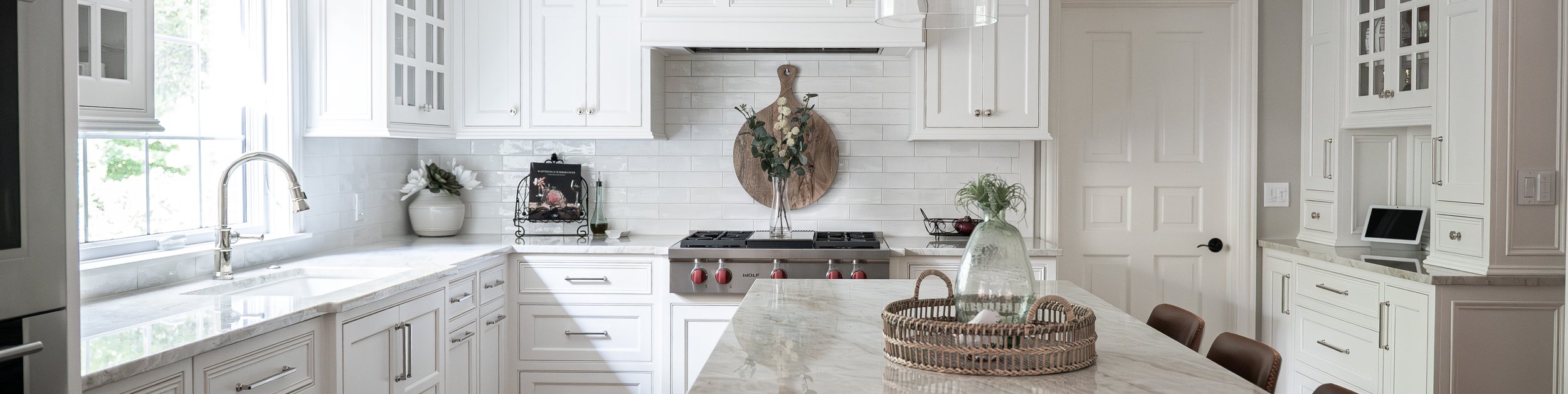

A kitchen designed for two empty-nesters and a kitchen designed for a family with three kids and a dog are not the same kitchen. The appliances might be identical. The cabinetry might look similar from across the room. But the layout decisions, storage configurations, and design details that make a kitchen actually work for a family are specific, and they don't emerge from a standard design template. Powell homeowners doing a kitchen renovation have an opportunity to build a space that genuinely fits how their household operates.
1. The Island as the Family Hub
In households with kids, the kitchen island is rarely just a prep surface. It's where homework gets done, where teenagers sit during after-school hours, where Sunday morning breakfast happens. The island needs to work for all of those uses: seating on one or two sides, counter height that works for both prep and casual dining, durable surface materials, and storage below that doesn't collect clutter. Custom cabinetry allows the island to be designed for all of these functions rather than optimized for just one.
2. Storage Configured for the Way the Kitchen Actually Works
A family kitchen accumulates more stuff than almost any other room in the house: appliances, sports bottles, lunch supplies, snack foods, arts and crafts materials, pet food. Custom cabinetry allows every category to have a designated home: a deep pull-out for small appliances, a dedicated snack drawer at kid height, a tall pantry cabinet configured for exactly what goes in it. When storage is designed around actual use, things go back where they belong without requiring constant reorganization.
3. Durability Built Into the Finish Choices
Painted cabinetry in a high-traffic family kitchen takes more abuse than the same cabinets in a home with adults only. Finish durability matters: the spray-applied finishes Lewis Designs uses are significantly harder and more resistant to chipping than brush-applied alternatives. Hardware selection also affects longevity, commercial-grade soft-close hinges and drawer slides, hold up to the kind of daily use a busy Powell household puts on a kitchen over years. These choices aren't visible on day one, but they matter by year five.
4. Layout for Multiple People Working at Once
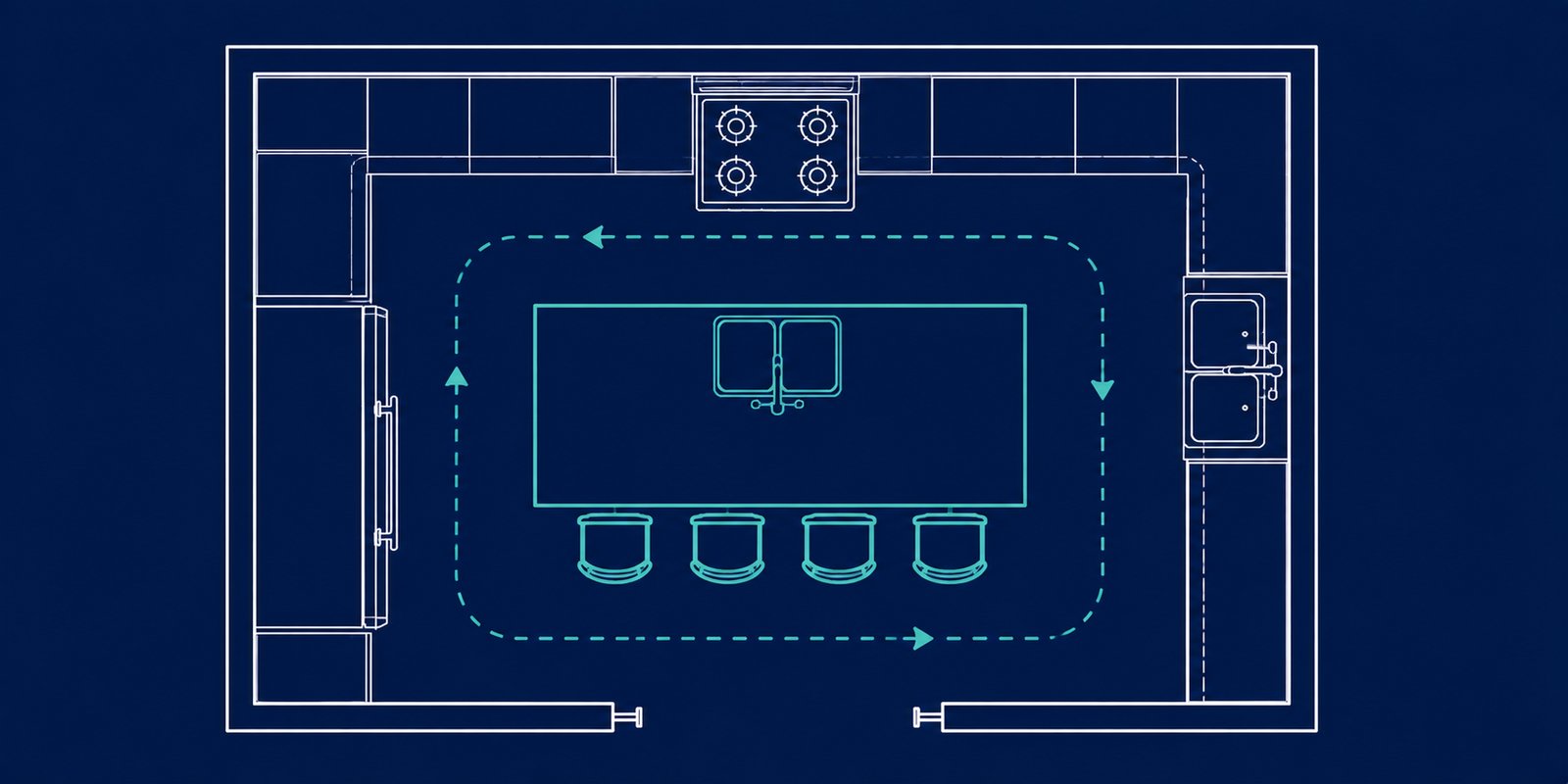
Family kitchens often have multiple people in them at the same time: a parent cooking dinner, a kid making a snack, someone unloading the dishwasher. The work triangle concept (sink, range, refrigerator) is a starting point, but a functional family kitchen layout also thinks about traffic paths: where people cross, where the dishwasher blocks access when it's open, where the refrigerator door swings relative to the prep area. These layout decisions are more important than any finish choice.
5. Planning for How the Family Will Change
A kitchen designed for a family with young children will be used by teenagers in ten years and empty-nesters in twenty. The good news is that good design adapts: an island with seating works for all ages, well-configured storage is useful regardless of what's in it, and durable materials hold up across every stage. The goal isn't to design for today's family, it's to design a kitchen that's genuinely functional for the next twenty years.
A Kitchen Built for Real Life
The kitchens that get used and loved for decades are the ones that were designed for how the household actually lives, not for how a showroom or a magazine presents a kitchen. Powell families who invest in that level of intention end up with a space that supports daily life rather than one they work around.
Contact Lewis Designs to schedule a complimentary in-home consultation and design a kitchen built for your family.