

 8015 Lafayette Plain City Rd - Plain City, OH 43064
 Monday - Friday 8:00 am to 6:00 pm

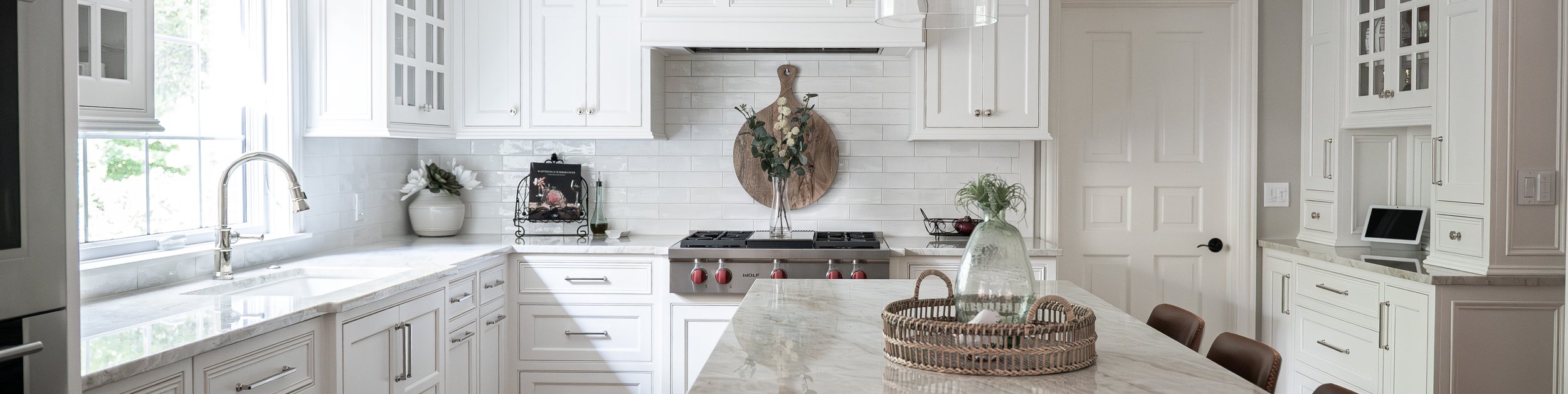
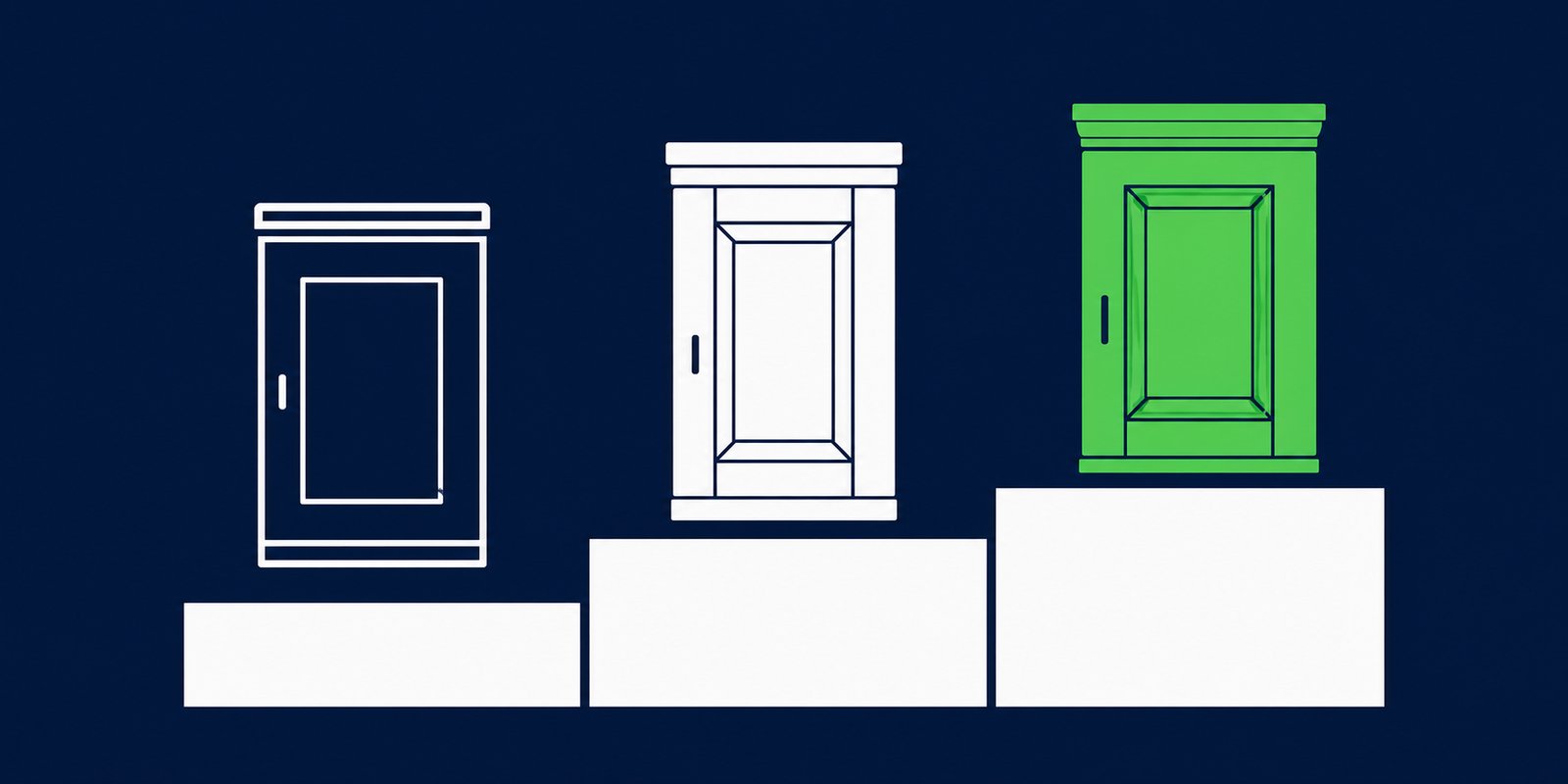

Most cabinetry conversations start with budget and end with regret, not because homeowners overspent, but because they bought the wrong product for the wrong reasons. Understanding the real differences between stock, semi-custom, and fully custom cabinets will help you make a decision you'll still be satisfied with a decade from now.
1. What Stock Cabinets Actually Are
Stock cabinets are manufactured in advance and warehoused until sold. Sizes are fixed, typically in 3-inch increments, which means your kitchen layout gets built around the cabinets rather than the other way around. Finish options are limited, interior configurations are standardized, and the construction prioritizes speed and cost over longevity. They're a reasonable choice for a rental property or a short-term flip, not for a home you plan to live in.
2. The Semi-Custom Middle Ground
Semi-custom cabinets offer more size flexibility and a broader finish selection, but they're still built from a fixed catalog of configurations. You're choosing from what the manufacturer offers, not designing from scratch. Quality is generally better than stock, but the box construction, joinery, and interior components still reflect the manufacturer's standard spec. Lead times typically run four to eight weeks, and what you see in the showroom is essentially what you get.
3. What Fully Custom Means
A fully custom cabinet is designed and built to your exact specifications: the precise dimensions of your space, your choice of wood species, finish color (any Benjamin Moore color, applied in-house), door profile, hardware, and interior configuration. Nothing is standardized. Dovetail drawer box construction and soft-close doors and drawers are included on every piece Lewis Designs builds. The design starts with your space, not a catalog page.
4. The Construction Difference That Matters Most
The gap between stock and custom isn't just aesthetic. Custom cabinets are built with full plywood box construction rather than particleboard or MDF. Drawer boxes use dovetail joinery instead of staples. Hinges and drawer slides are commercial-grade hardware rated for decades of daily use. These structural choices determine how a cabinet performs at year fifteen, not just year one. The finish you choose is personal preference. The quality of the box underneath it is not.
5. Which Option Makes Sense for Your Project
If you're renovating a kitchen, bathroom, closet, or any space you plan to use for years, custom is almost always the better investment. In communities like Dublin, Upper Arlington, and New Albany, fully custom cabinetry adds measurable value to a home, both in daily usability and at resale. The price difference is real. So is the difference in what you're actually buying.
The Question Behind the Question
Homeowners rarely regret spending more on custom cabinetry. The regret usually runs the other direction, choosing semi-custom to save money and finding themselves redoing the kitchen eight years later because the boxes warped or the finishes chipped. The better question isn't "how do I spend less?" It's "what do I want this space to look like in twenty years?"
Contact Lewis Designs to schedule a complimentary in-home consultation and see what fully custom looks like in your space.