

 8015 Lafayette Plain City Rd - Plain City, OH 43064
 Monday - Friday 8:00 am to 6:00 pm

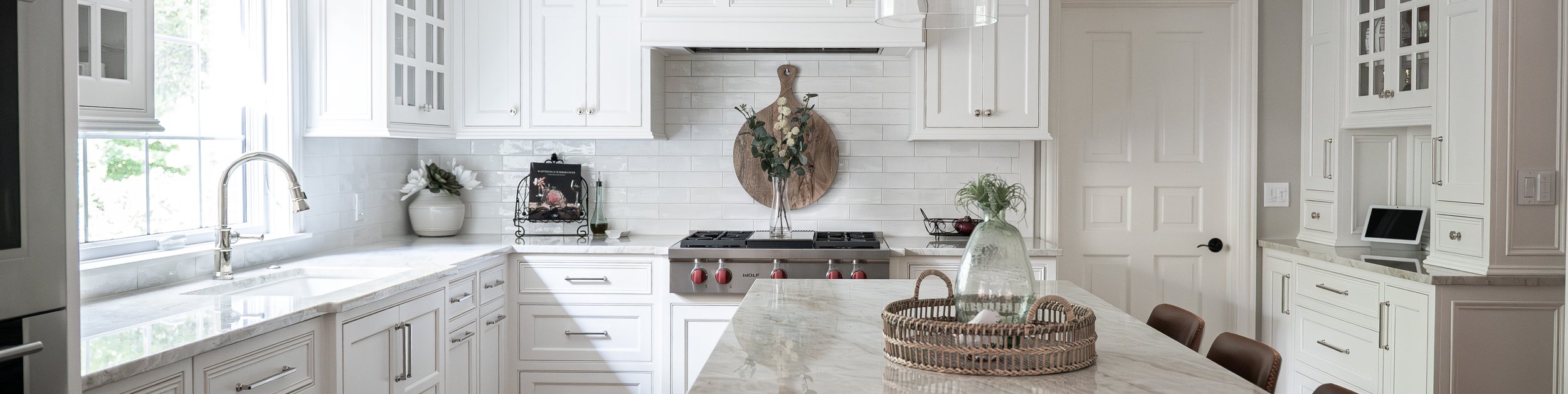

Most homeowners choose a cabinet finish before they think much about the wood underneath it. That's understandable. Finish color is the most visible element of a cabinet. But the wood species is what determines how the finish looks, how the cabinet ages, and how it holds up over decades of use. Getting familiar with the main options makes every other design decision easier.
1. Maple: The Workhorse of Custom Cabinetry
Hard maple is the most widely used species in custom cabinetry, and for good reason. It's hard, stable, machines cleanly, and takes painted finishes exceptionally well. Its grain is fine and relatively subtle, which means it doesn't compete with the paint color. For homeowners in the Columbus area who want a crisp, painted kitchen in whites, warm grays, or soft greens, maple is almost always the right call. It's durable, it photographs beautifully, and it holds up to the daily demands of a busy household.
2. White Oak: The Designer's Current Favorite
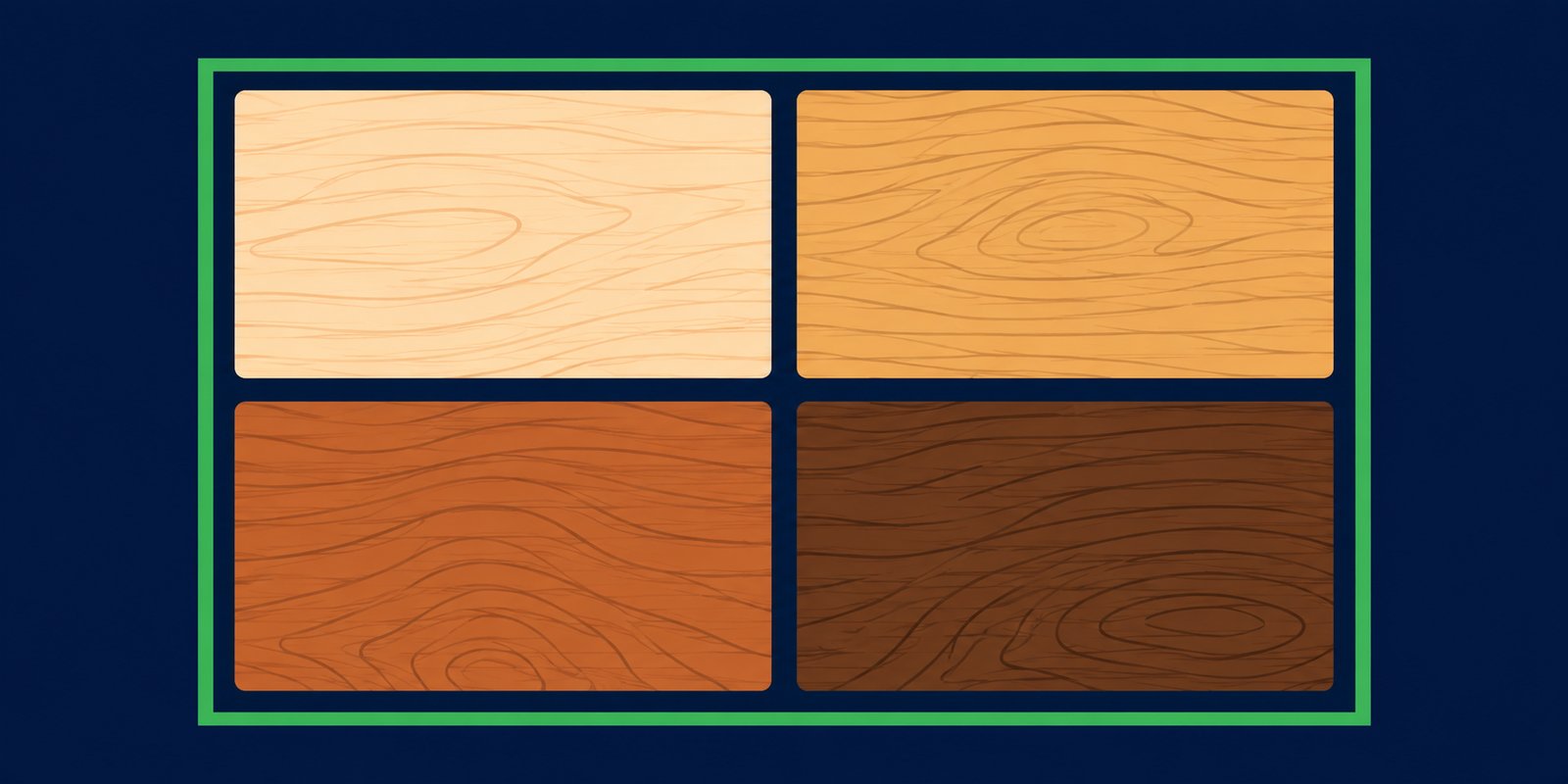
White oak has become one of the most requested species in custom cabinetry over the last five years, and the reasons aren't hard to see. It has a distinctive ray fleck pattern in quartersawn cuts, a warm, open grain structure, and takes stain in a range of tones from light honey to deep espresso. It works exceptionally well in transitional and modern designs. White oak is somewhat softer than maple and shows wear more visibly over time, a trade-off worth understanding before committing.
3. Cherry: Rich Color That Deepens Over Time
Cherry is one of the most distinctive cabinet woods available. It starts warm reddish-brown and deepens significantly with light exposure over the first few years, a process called patina. In Upper Arlington and Bexley homes with traditional or transitional design sensibilities, cherry cabinetry has a richness that painted finishes don't replicate. It's a softer hardwood than maple, but its beauty is hard to argue with. Homeowners who choose cherry tend to love how the wood evolves over the life of the kitchen.
4. Walnut: The Premium Option
Black walnut is the most visually striking of the common cabinet woods, deep chocolate brown with dramatic grain variation. It's also among the most expensive. Walnut works best as an accent or feature element: an island in walnut against painted perimeter cabinets, or a home office built-in in walnut that becomes the focal point of the room. Full kitchens in walnut are less common, but striking when done well. Lewis Designs has worked in walnut on projects ranging from Grandview Heights home offices to Powell kitchen islands.
5. Painted vs. Stained: How Species Affects the Decision
If you want a painted finish, species selection is primarily about hardness, stability, and smoothness of grain. Maple wins on all three counts. If you want to show the natural wood, species selection becomes the central design decision, because the grain pattern, tone, and character of the wood become visible. Many custom kitchens combine both: painted perimeter cabinets in maple with a stained walnut or oak island. That combination lets you get the best of both approaches.
The Species Choice Is a Long-Term Decision
Cabinets built with quality materials will be in your home for twenty or thirty years. The species you choose is a long-term companion. It's worth spending time on samples in your actual space, under your lighting, next to your flooring and countertop materials, before committing. Lewis Designs brings samples to every in-home consultation specifically so you can see how they interact with your space before anything is decided.
Contact Lewis Designs to schedule a complimentary consultation and explore wood species and finish options for your project.